08045811689
|


 English
 Spanish
 French
 German
 Italian
 Chinese (Simplified)
 Japanese
 Korean
 Arabic
 Portuguese


Most Popular Products
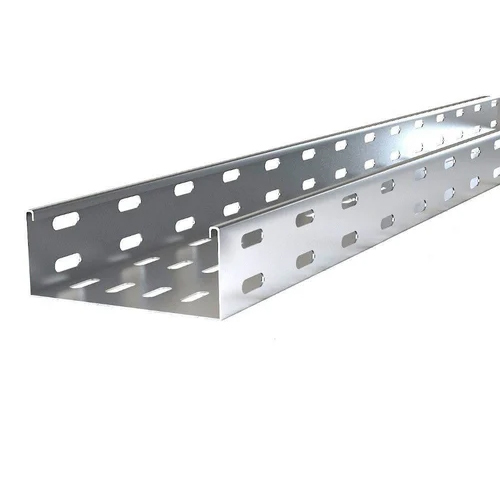
CABLE TRAY FOR COMMERCIAL BUILDINGS
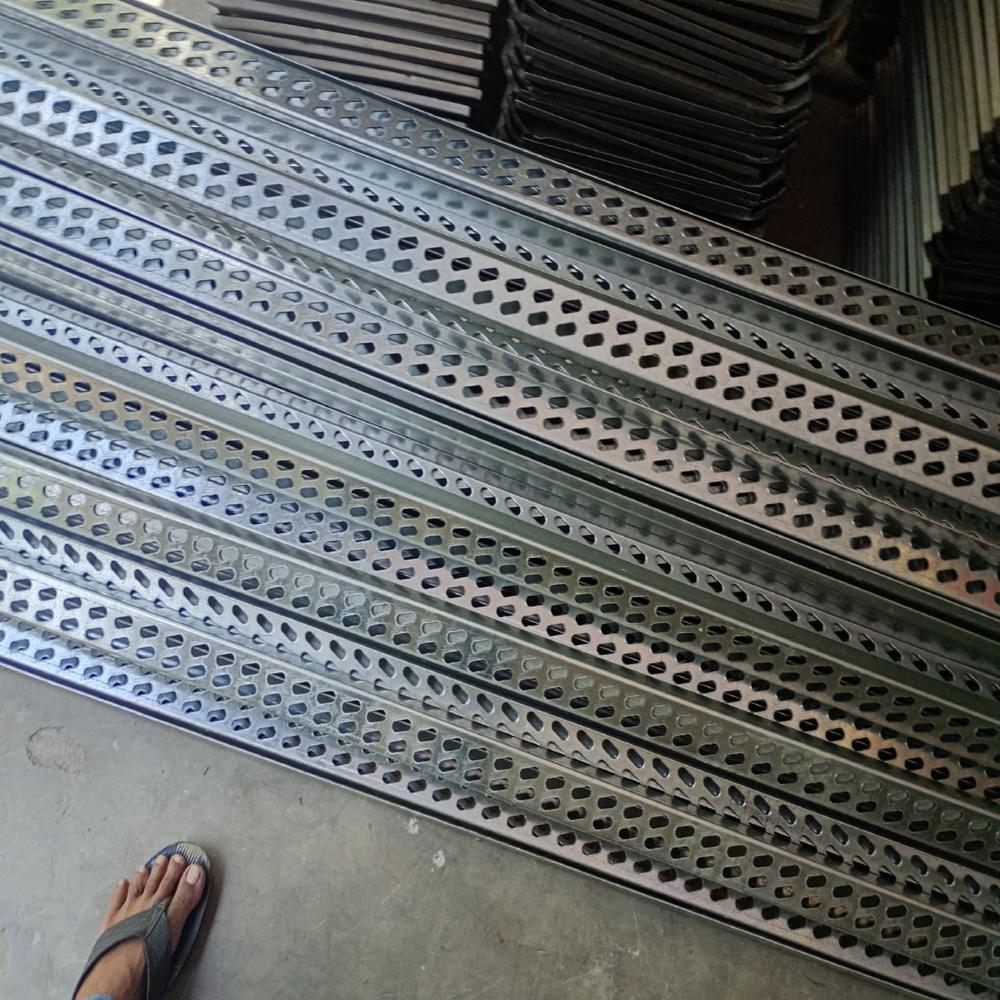
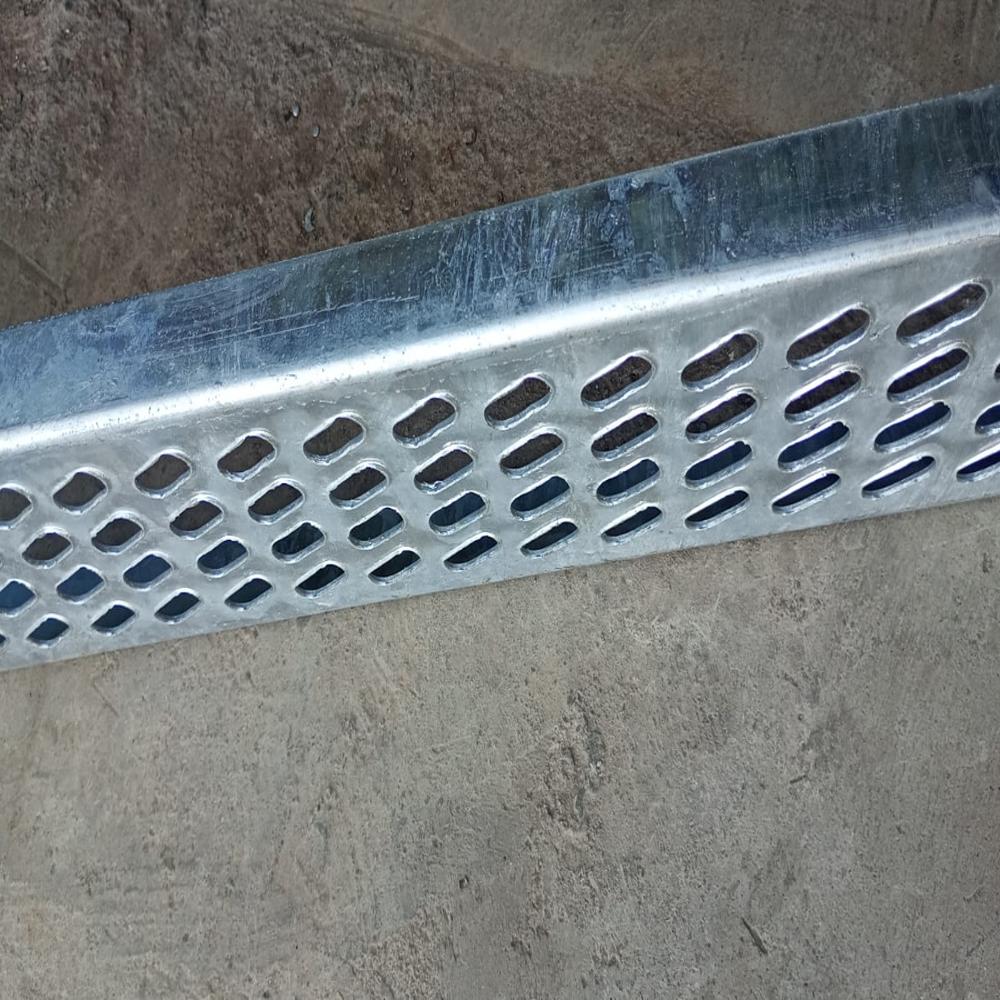

CABLE TRAY FOR COMMERCIAL BUILDINGS Specification
- Surface Finish
- Pre Galvanized
- Max. Working Load
- 6
- Deflection
- GFKJ
- Conductor Material
- Other
- Product Type
- Perforated Through
- Power Rating
- 3532
- Standard Thickness
- 1.2 Millimeter (mm)
- Length
- 2500 Millimeter (mm)
- Width
- 300 Millimeter (mm)
- Side Rail Height
- 50 Millimeter (mm)
- Weight
- 10 Kilograms (kg)
- Dimension (L*W*H)
- 300 MM X 50 MM X 1.2 MM THK Millimeter (mm)
- Usage & Applications
- CABLE
- Rated Voltage
- 52.22. Volt (V)
- Operating Temperature
- 25752 Kelvin (K)
- Cable Type
- PERFORATED TYPE
- Warranty
- 6
- Phase
- 353
- Display Type
- CABLE
- Conductor
- CABLE TRAY
- Material
- G.I
- Rated Current
- 523 Volt (v)
- Frequency
- 2333 Megahertz (MHZ)
- Features
- 8565
CABLE TRAY FOR COMMERCIAL BUILDINGS Trade Information
- Minimum Order Quantity
- 1 Piece
- Delivery Time
- 5 Days
About CABLE TRAY FOR COMMERCIAL BUILDINGS
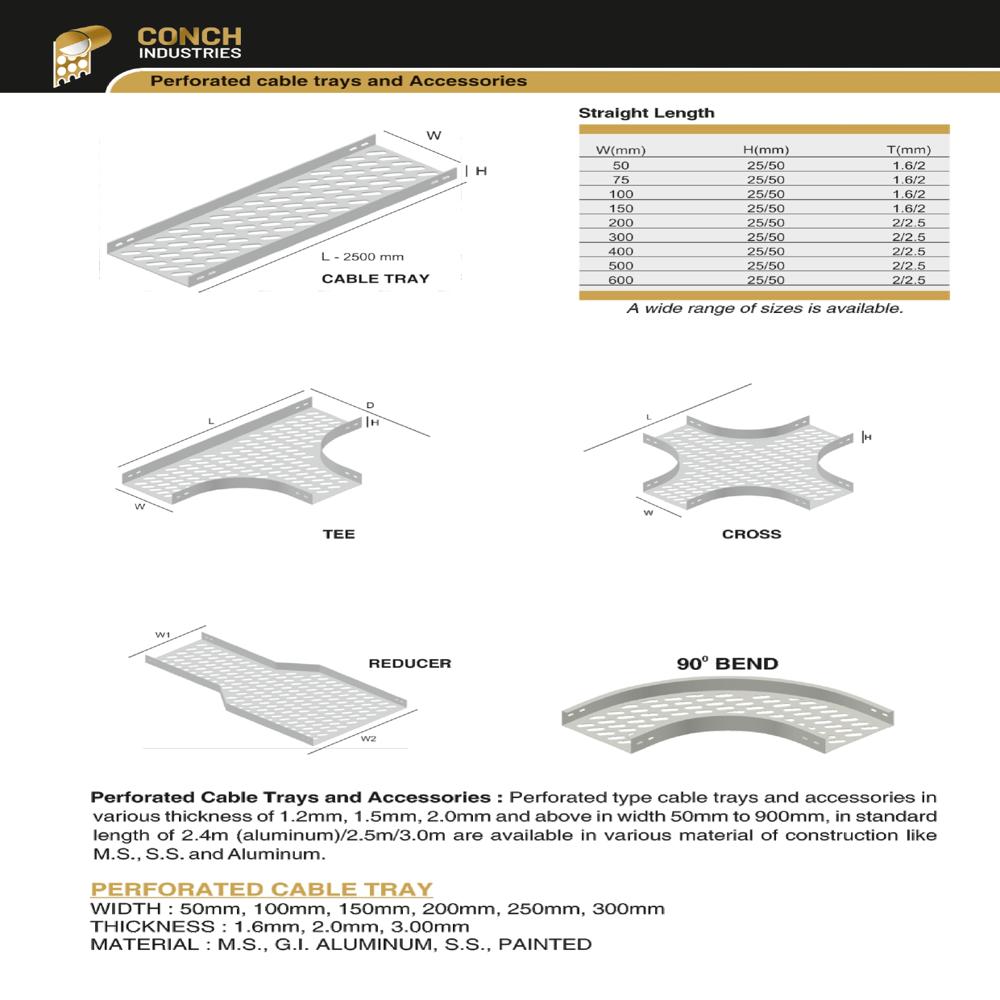
A cable tray is a structural system used to securely support and organize electrical cables, wires, and communication lines in industrial, commercial, and residential settings. It provides a safe pathway for wiring, helping to maintain organization and ease of maintenance while ensuring compliance with electrical codes. Cable trays are especially useful in environments where frequent changes to wiring systems are expected, such as data centers, factories, and large office buildings.
Constructed from materials like galvanized steel, stainless steel, aluminum, or fiberglass-reinforced plastic, cable trays offer strength, durability, and resistance to corrosion. They come in various types, including ladder, perforated, solid bottom, and wire mesh trays, each suited to specific installation needs. For example, ladder trays allow maximum ventilation and are ideal for heavy-duty cables, while solid-bottom trays offer better protection in dusty or moist environments.
Cable trays are typically mounted on walls, ceilings, or under raised floors and are available in different sizes and shapes to accommodate various cable capacities. Their modular design allows easy expansion or reconfiguration of cable systems. By promoting better cable management, reducing fire risks, and simplifying troubleshooting, cable trays play a critical role in efficient and safe electrical system design.
Engineered for Commercial Durability
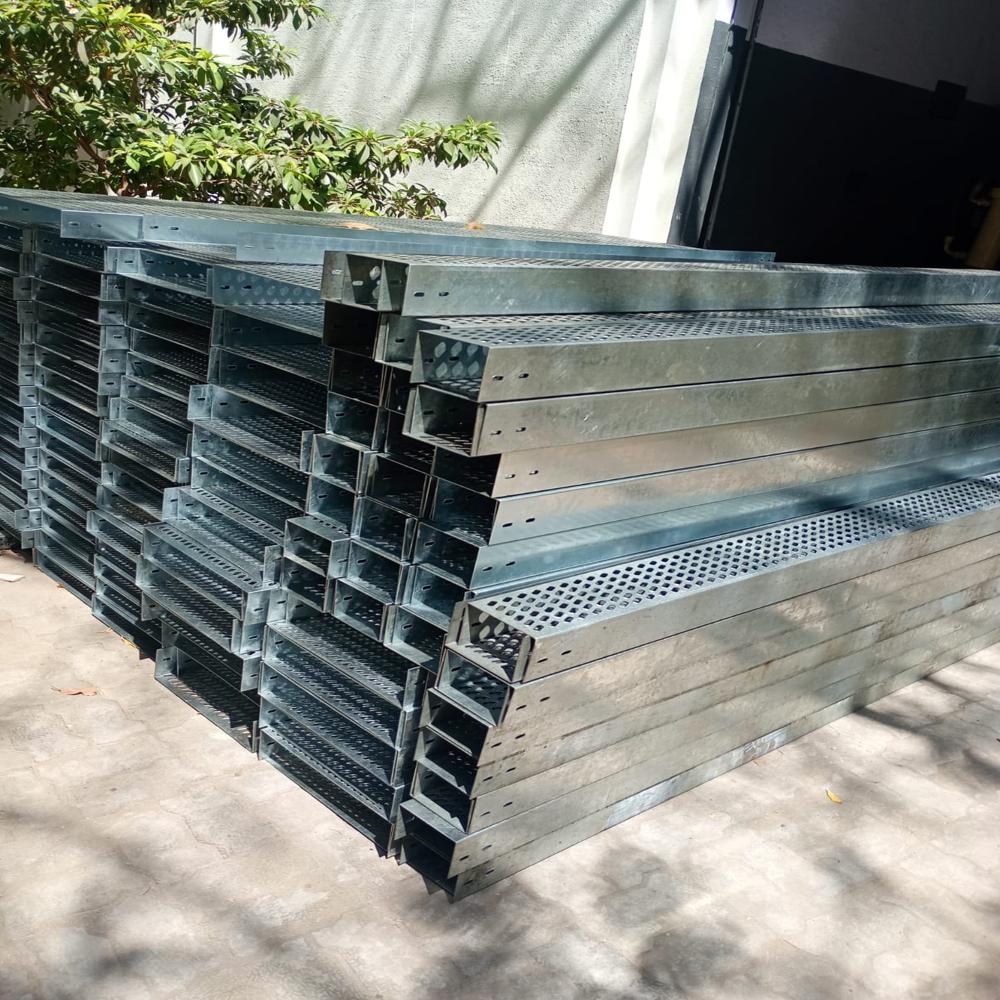
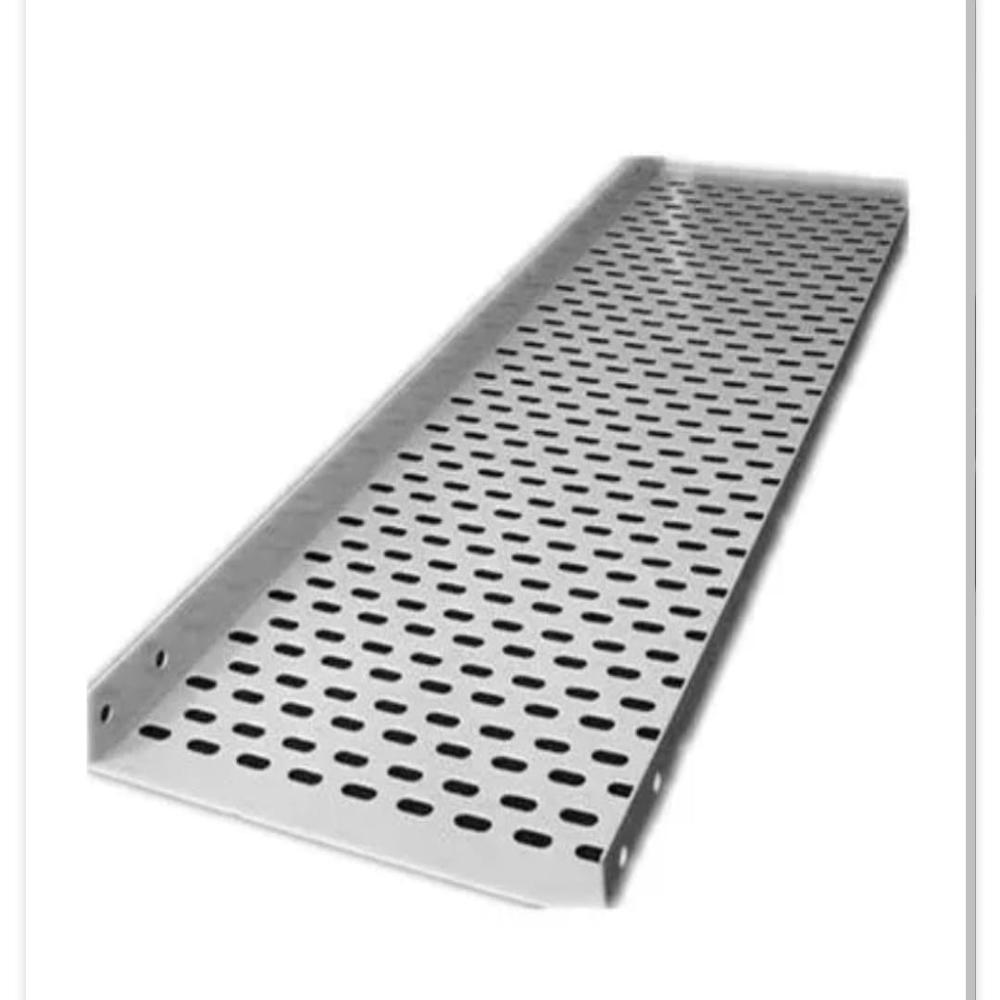
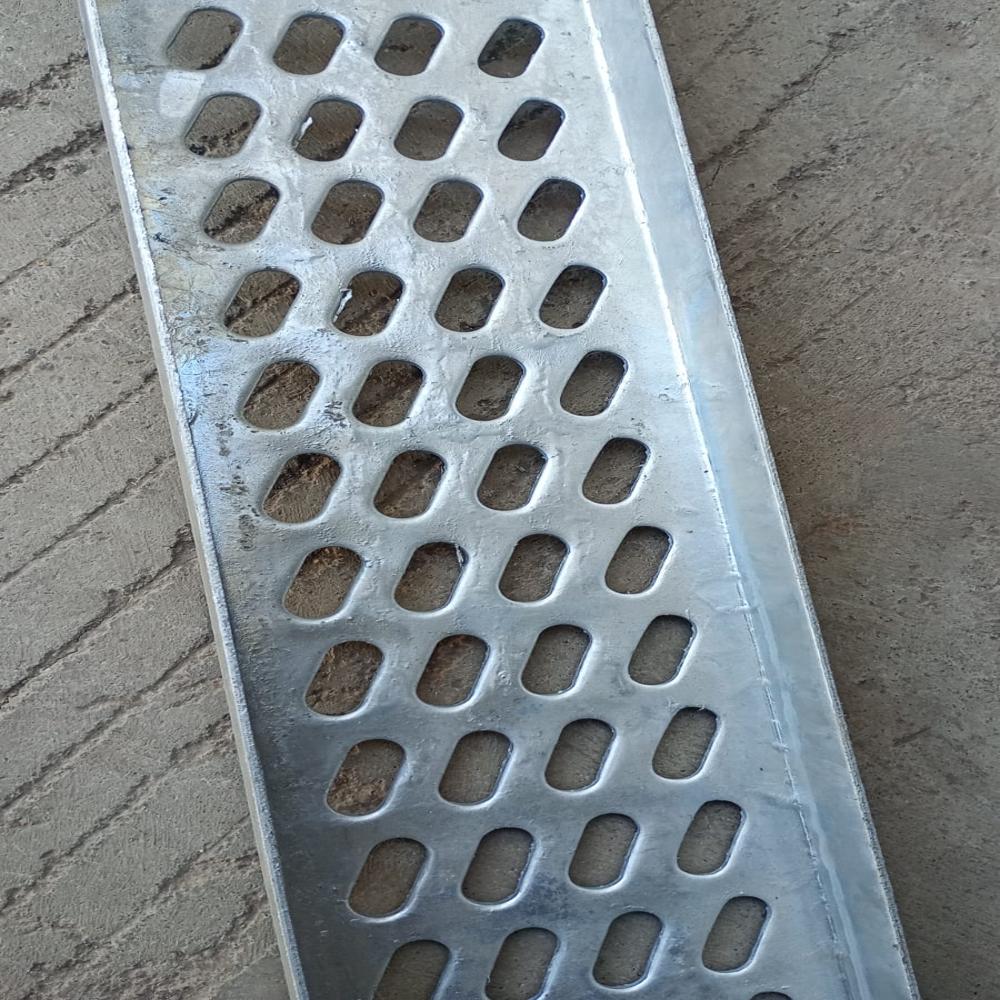
Designed to handle complex wiring systems, this cable tray boasts a strong G.I. construction and a robust perforated structure for optimal ventilation. Withstanding operating temperatures up to 25752 Kelvin and a load capacity of 6, it ensures reliable performance even in challenging environments common to commercial infrastructure.
User-Centric Features and Installation
The trays modular design, with a convenient 300 mm width and 50 mm side rail height, simplifies installation and supports flexible cable routing. Its pre-galvanized finish protects against corrosion, and standard 1.2 mm thickness delivers enduring strength. The cable tray is designed with user ease in mind for both installers and maintenance teams.
FAQs of CABLE TRAY FOR COMMERCIAL BUILDINGS:
Q: How is the cable tray installed in commercial buildings?
A: Installation involves securely mounting the tray onto walls or ceilings using suitable brackets and fasteners, followed by laying and securing cables within the tray. The perforated design allows for proper ventilation and easy cable adjustments.Q: What materials are used in manufacturing this cable tray?
A: The tray is constructed from galvanized iron (G.I.), which provides robust structural strength and resistance to corrosion, ensuring a long operational life even in demanding environments.Q: When should this cable tray be used over other types?
A: This tray is best suited for commercial buildings requiring organized and scalable cable management, particularly where ventilation, visibility, or frequent cable additions are needed. Its perforated type helps minimize overheating and simplifies maintenance.Q: Where can this cable tray be used effectively?
A: Ideal locations include server rooms, industrial plants, commercial offices, and facilities requiring efficient and reliable cable support systems that meet safety and organizational standards.Q: What are the main benefits of using this cable tray system?
A: Key benefits include improved cable organization, enhanced safety by preventing cable tangling, reduced overheating due to superior ventilation, and easier maintenance or upgrades. The galvanized finish ensures long-term durability.Q: How does the IP rating of 4242 improve its application?
A: An IP rating of 4242 means the tray provides a certain level of protection against solid objects and water ingress, making it suitable for environments where exposure to dust and moisture is possible.Tell us about your requirement

Price:
Quantity
Select Unit
- 50
- 100
- 200
- 250
- 500
- 1000+
Additional detail
Mobile number
Email

More Products in Cable Tray Category
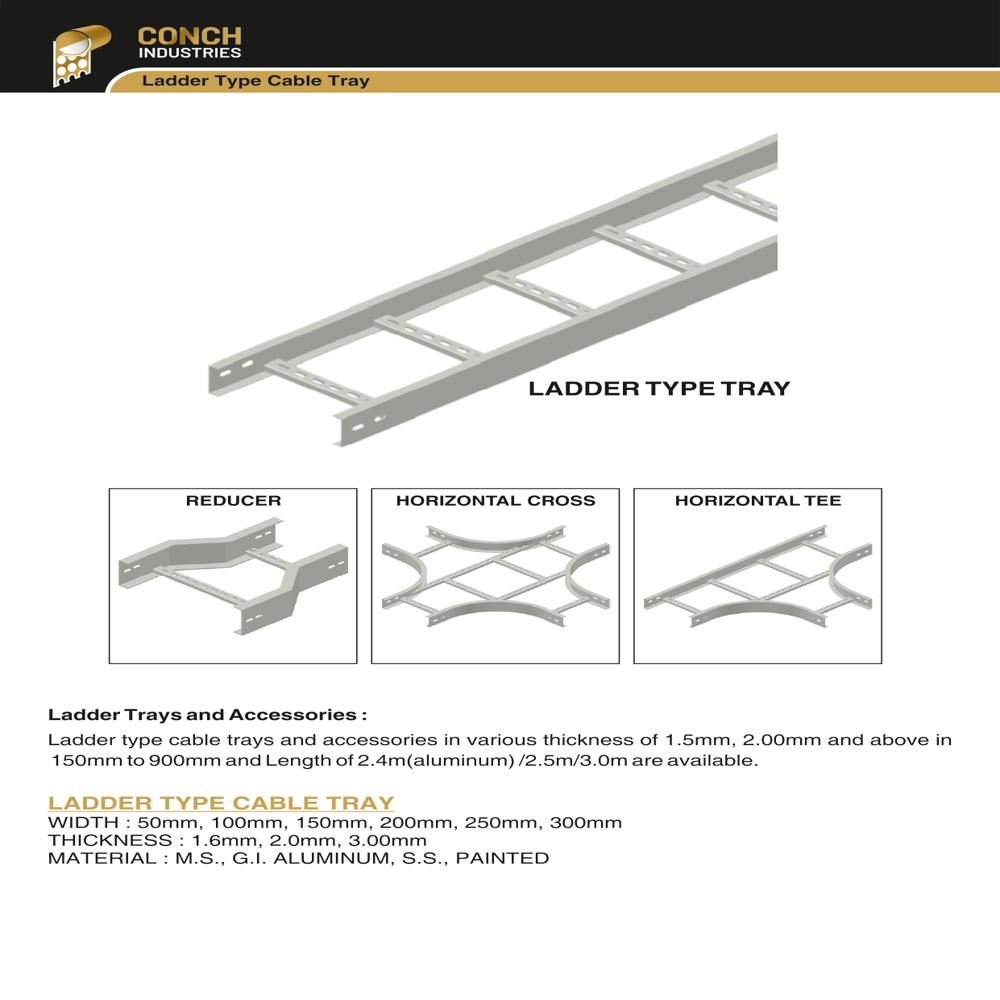
LADDER TYPE CABLE TRAY
Price 425.0 INR / Meter
Minimum Order Quantity : 1 Piece
Color : Colorless
Surface Finish : GI Galvanized
Material : GI
Width : 25 Millimeter (mm)
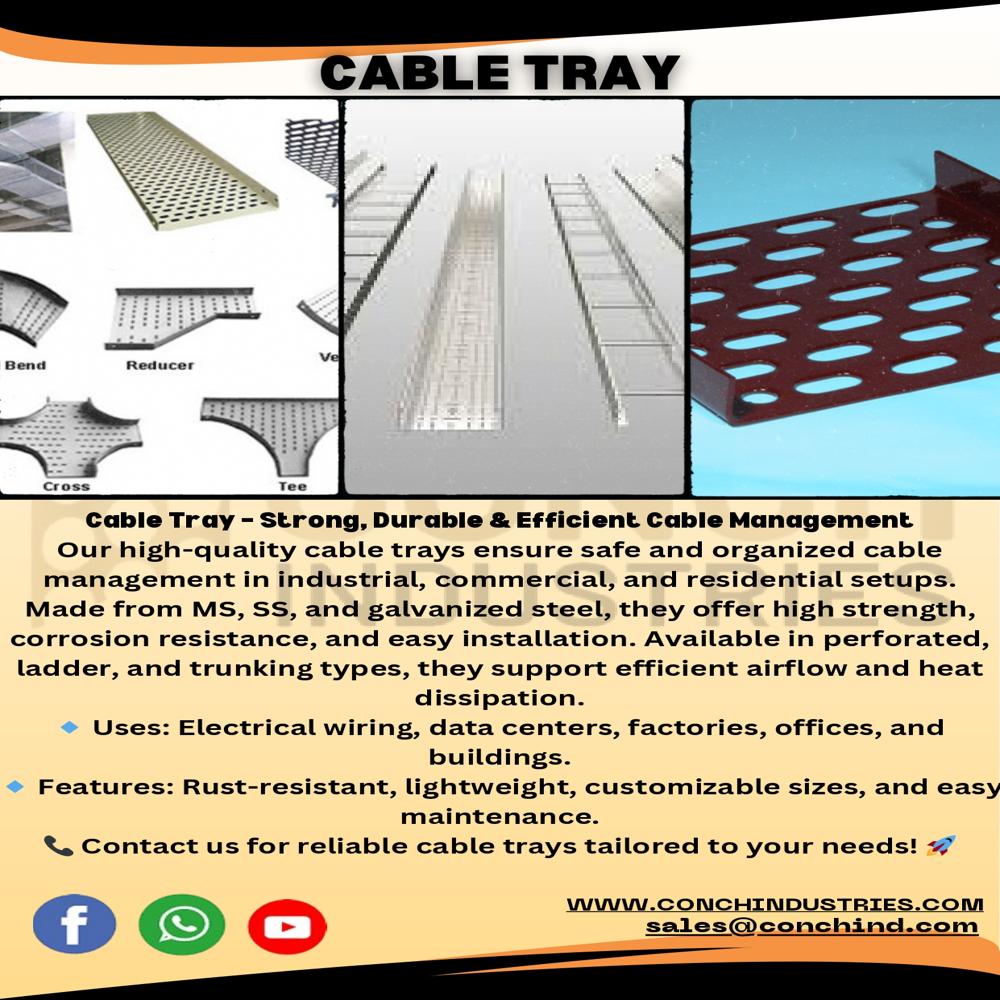
POWDER COATED CABLE TRAY
Price 359.0 INR
Minimum Order Quantity : 1 Piece
Color : Other
Surface Finish : GI Galvanized
Material : G.I
Width : 200 Millimeter (mm)
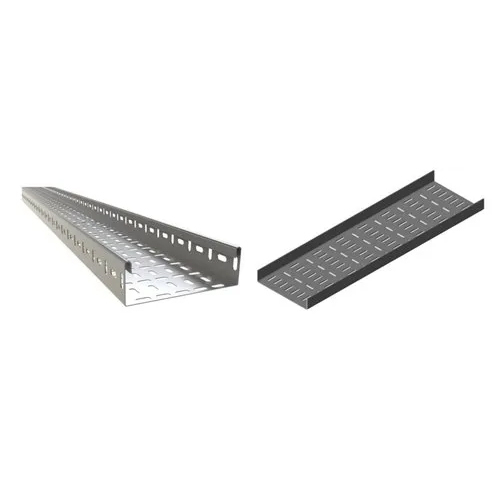
Galvanized Cable Tray
Price 175.0 INR / Meter
Minimum Order Quantity : 50
Color : Other, Silver
Surface Finish : Pre Galvanized
Material : Steel
Width : 50 mm to 900 mm Millimeter (mm)
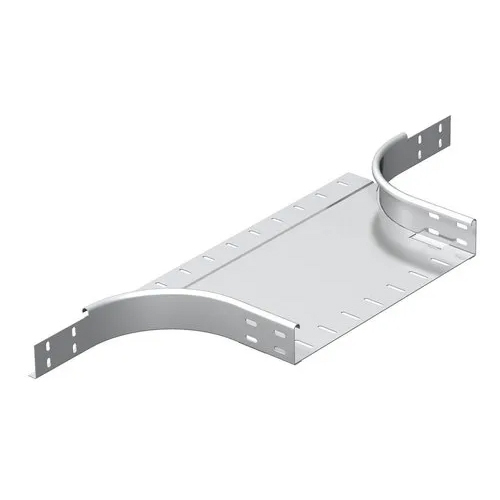
Tee Cable Tray
Price 190.0 INR / Piece
Minimum Order Quantity : 50 Pieces
Color : Other, Silver
Surface Finish : Pre Galvanized
Material : Other, Stainless Steel
Width : 50 mm to 900 mm Millimeter (mm)

Quick Inquiry


Contact Details
CONCH INDUSTRIES
GST : 24AAOFC3695H2Z4
GST : 24AAOFC3695H2Z4
G-507/1, GIDC (Lodhika), Kalawad Road, Metoda,Rajkot - 360021, Gujarat, India
Phone :08045811689
 Send Inquiry
Office Address - Rajkot
28 - A, Bhaktinagar Industrial Estate, Rajkot - 360002
TEL : 0281-2362257/56
28 - A, Bhaktinagar Industrial Estate, Rajkot - 360002
TEL : 0281-2362257/56

|
 |
Conch Industries
All Rights Reserved.(Terms of Use) Developed and Managed by Infocom Network Private Limited. |
